
Record Who Holds the Gift Decoration Tool After the Order
Record the exact gift decoration tool, current custodian, agreed access or return terms, and the evidence needed for a bounded closeout.
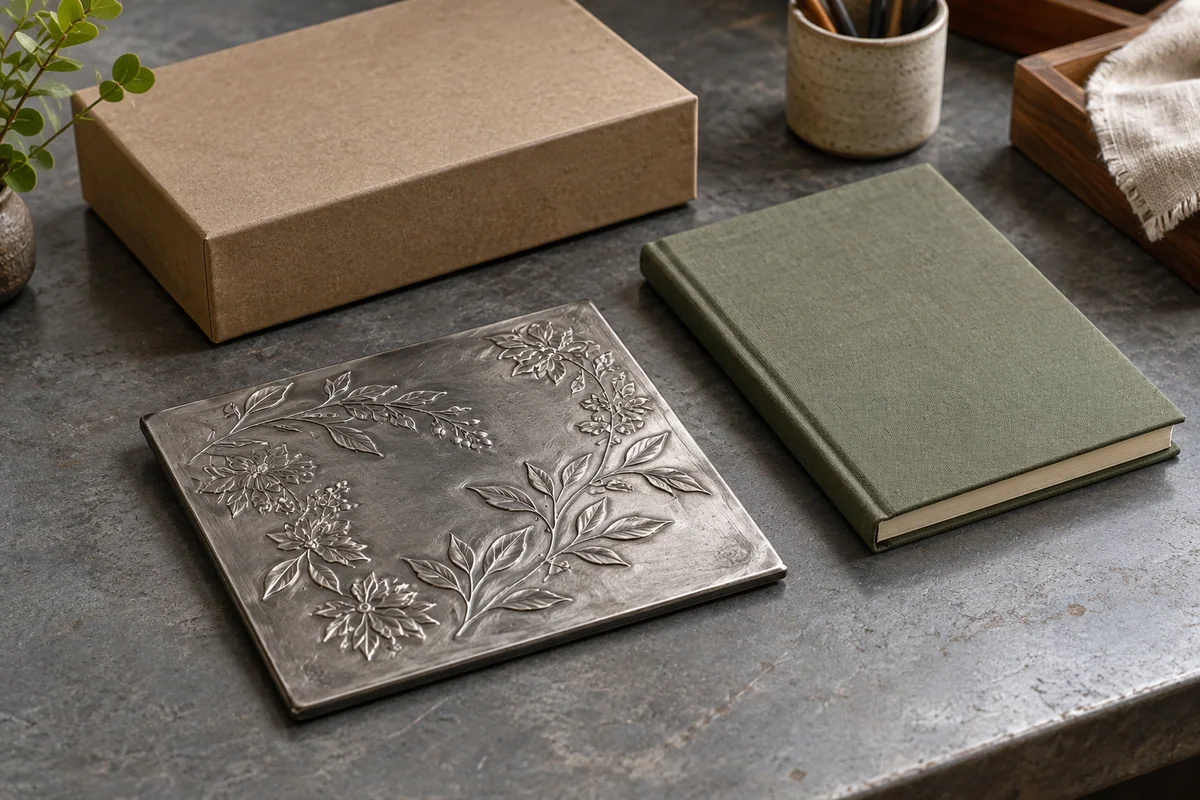
A completed gift order can leave a physical decoration tool at a supplier while the buyer has only a setup line on an invoice. Before closing the order, establish which tool actually exists, who holds it and what the parties agreed may happen to it. A statement that a die is stored leaves important questions unanswered if nobody has recorded access, return or disposition terms.
This review starts with an already approved gift configuration and an identified physical die, screen or fixture. It records custody of that object. The buyer’s editable artwork, the retained finished sample and the physical tool are separate handover subjects; receiving one does not establish receipt or control of the others.
Confirm that the record refers to a particular physical object
Ask the supplier to identify any physical decoration tool created for the approved order. Do not infer that a separate recoverable object exists merely because the quotation charged for setup. If the supplier cannot confirm what was made, record that question before discussing storage or return.
Use the supplier’s existing identifier where available and connect it to the approved gift revision. Describe the object sufficiently for the custodian to distinguish it from tools for another logo, size or order. Include its associated reference image or attributable inventory statement where sharing is permitted. Avoid substituting an artwork filename for physical identity.
Where several objects form the agreed tool set, identify the parts and the scope of the supplier’s statement. Confirmation of one die does not account for an associated fixture. Equally, do not add a fixture to the expected inventory if nobody agreed that it existed. Uncertain entries should ask a precise question rather than inflate the handover package.
Separate where the tool is from what the agreement allows
Name the party stating that it currently holds the tool and the source and date of that statement. If a seller coordinates with another factory, ask which party has physical custody and which party can answer the custody request. Do not treat the seller’s business address as the storage location without confirmation.
Then retrieve the terms that address the particular object. Record any agreed access or retrieval process, return destination, retention condition, permitted use and authorised disposition. Preserve the wording or exact agreement reference when an interpretation would affect the buyer’s decision. A general description such as tooling included does not answer all those questions.
Payment, possession and use permission should remain separate entries. This worksheet cannot decide ownership, intellectual-property rights or the legal effect of the invoice. If those matters are unclear, identify the responsible contracting or legal owner and request a decision based on the actual agreement. Do not label the object buyer-owned solely because the buyer paid a setup charge.
Build the physical-tool identity and disposition record
The table below is an original closeout worksheet. Every entry is hypothetical: D2, notebook cover N4, Custodian S and Receiver B are invented references. The later rows describe alternative proposed outcomes for the same tool, not multiple tools or completed transfers.
| Tool identifier | Related approved gift revision | Stated custodian | Agreed access or return | Condition evidence scope | Unresolved rights |
|---|---|---|---|---|---|
| Hypothetical deboss die D2 | Approved notebook cover N4 | Custodian S says D2 is stored | No retrieval terms supplied | Attributable statement only; object not observed | Ownership, permitted use and disposition not established |
| Hypothetical D2, continued-storage proposal | Same N4 reference | S would remain custodian if agreed | Parties must settle retrieval process and retention condition | Request identified current views only within agreed scope | Any unsupported ownership or use term remains open |
| Hypothetical D2, return proposal | Same N4 reference | S until the agreed transfer; B only after receipt is established | Confirm authorised destination and transfer responsibilities | Dispatch evidence and B’s receipt observations remain distinct | A physical return does not settle unrecorded rights |
Beside each live row, retain the relevant agreement reference, action owner, acknowledgement and open question. This can be an ordinary agreed document. There is no assumed supplier inventory portal, automatic reminder or inspection service.
Turn a storage statement into a concrete buyer decision
In the hypothetical first row, the supplier says D2 is stored after producing notebook cover N4. That statement is useful evidence of what the supplier reported. It does not tell the buyer whether the die can be retrieved, what a request would involve or who may authorise its later disposition.
The buyer should first decide which outcome it needs: documented continued custody, an agreed return or a separately authorised disposition. Ask the supplier for the applicable terms and any missing scope. If the parties choose continued custody, record the agreed event or condition that triggers another decision, rather than inventing indefinite retention or a free storage period.
If the supplier will not confirm retrieval arrangements, preserve that limitation. The commercial owner can evaluate it instead of allowing an unqualified stored status to close the question. A vague intention to order again is insufficient evidence of future availability or permission to reuse the tool.
If return is proposed, identify the authorised receiver and ask who arranges packing, movement and any applicable charges. Those arrangements require their own agreement; this article supplies no shipping offer. A requested return, an agreed return and a tool received by the intended custodian are different points in the record.
Read condition and transfer evidence at its actual scope
Ask what the supplier’s image or statement shows. A photograph of a closed storage box may identify the container while leaving the enclosed tool unobserved. An image of a die may help establish visible identity and condition at the recorded time, but it does not demonstrate performance on a future notebook cover.
Compare the reported identifier with the expected tool reference. If the custodian names another die, sends an image without a usable association or reports a missing part, keep the discrepancy open. Ask for an attributable clarification. Do not silently rename a substitute so the inventory appears complete.
For an actual return, the receiver should record what was received under the agreed handover scope and any visible discrepancy. Carrier delivery evidence alone does not establish that the expected object was inside or accepted by the authorised receiver. Preserve the sender’s and receiver’s records separately where they differ.
Do not ask an administrative custodian to operate a press or make an impression to prove closeout. Any later condition assessment, technical compatibility review or production use belongs in its own authorised scope with the appropriate party. A tool associated with N4 has no automatic approval for a changed cover.
Close the custody decision without granting repeat-order approval
Write the outcome narrowly: identified tool, stated or confirmed custodian, agreed terms, evidence obtained and questions still assigned. If a disposition was authorised, request the agreed evidence of the action and record its scope; an instruction to dispose is not evidence that disposal occurred. Do not infer destruction of digital artwork from disposition of a physical die.
Use the custom gift printing guide for the earlier setup and sample decisions. For a future gift quote enquiry, describe the desired custody scope and ask whether it is available. Use text, product links or suitable image references for initial discussion; separately arrange any necessary authorised transfer of original artwork or contractual records. The useful closeout is a supported custody decision, with remaining obligations visible to their actual owner.
Frequently asked questions
Does paying a setup charge mean the buyer owns the decoration tool?
The payment record alone does not establish that conclusion here. Ask the responsible contracting owner to identify the applicable ownership, use, return and disposition terms for the physical object. The worksheet records those terms and any uncertainty; it does not interpret rights or create an entitlement.
What if the supplier says the die is stored but cannot confirm retrieval terms?
Record the statement, the exact die reference and the missing retrieval arrangement. Ask the commercial owner to decide whether documented continued custody, an agreed return or another authorised outcome is needed. Do not convert an unanswered request into indefinite retention, free reuse or guaranteed availability.
Which evidence closes a physical return?
Use the agreed transfer scope: the sender identifies what was dispatched, and the authorised receiver records what arrived and any discrepancy. A delivery event alone does not verify the object inside. Keep identity or condition gaps open, and distinguish physical custody from any unresolved rights.
Can the returned tool be approved immediately for another gift order?
Custody evidence does not authorise a repeat order or prove compatibility with another cover, material or decoration requirement. Keep the original approved gift revision attached to the tool record. Any proposed reuse needs its applicable permission, commercial decision and technical review outside this closeout worksheet.
Discuss a sourcing request related to this article.Record Who Holds the Gift Decoration Tool After the Order