gifts, promotional products and party supplies / Buying guide
Approve the logo before approving the print run
Last updated
Published by 1688 Gifts · Review method
Key takeaways
- Choose the method for the actual substrate and artwork; colour-by-position setup charges apply only when the quotation uses that model.
- Approve a versioned layout and physical sample, then agree the production inspection and any wash, rub or use checks.
- A colour reference or first-piece photograph cannot guarantee an exact match or durability; define acceptance and remedies before production.
Choose the print method after fixing the product surface, artwork and expected use. Ask for a quotation that separates the blank item, setup, print, samples and packing. Printing is not always priced per colour or per position in the same way.
A digital proof checks the layout. A physical sample on the intended product checks how it looks and behaves. Neither a rendered mock-up nor a first-piece photograph alone proves colour match, adhesion or wash durability.
Turn this guide into a buying request
Keep this page as context. Add what you know; review everything before sending. No purchase is made at this step.
Continue to request →-
Screen printing
worth quoting for suitable flat or accessible surfaces and spot-colour artwork. Ask about screen count, underbase, colour changes, ink and curing. Do not assume it is cheapest at every quantity.
-
Pad printing
an option for some small curved or irregular print areas. Have the printer confirm the usable area, distortion, plate charges and adhesion on the exact material.
-
Heat transfer or direct digital methods
compare when artwork includes gradients, many colours or short runs. Request wash/rub and stretch checks suited to the actual fabric and transfer system; durability cannot be ranked by method name alone.
-
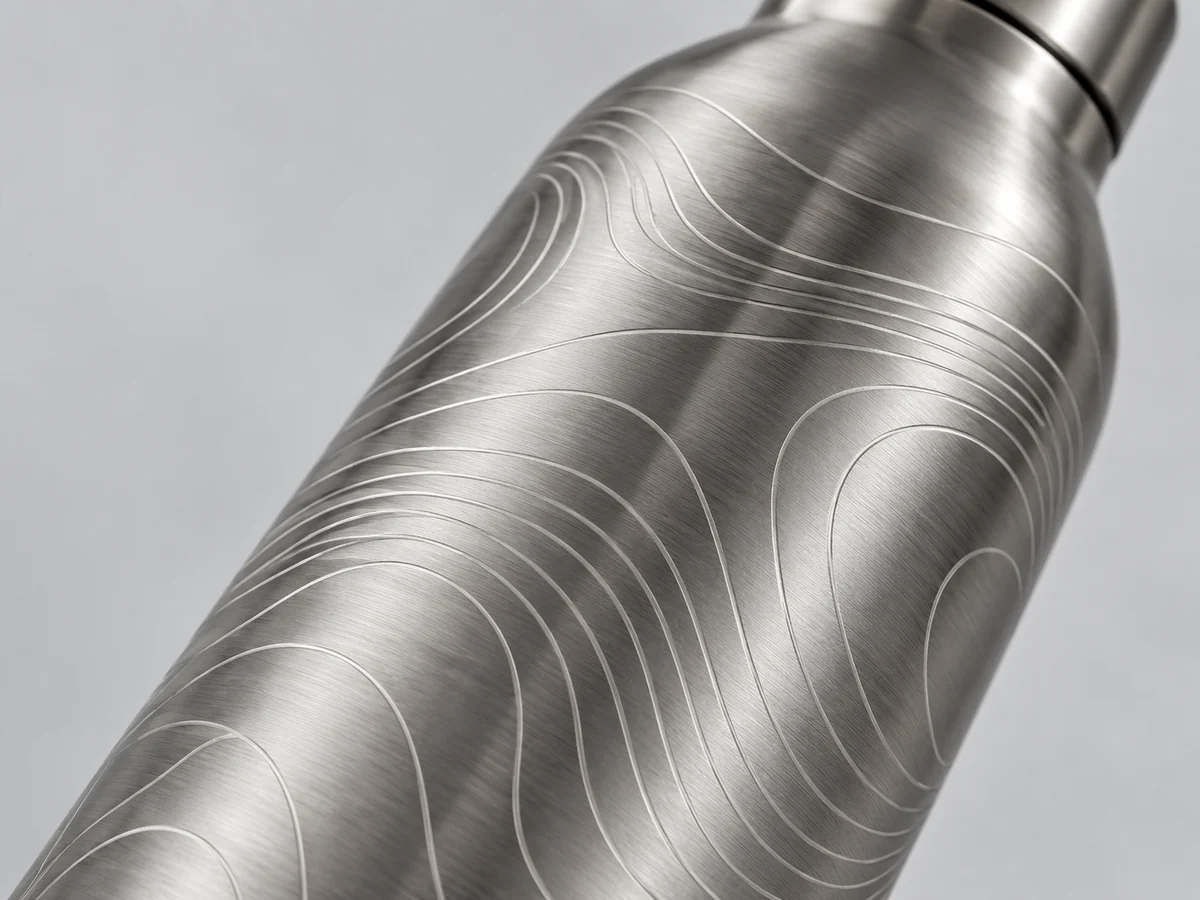
Laser marking or engraving
check the finish produced on the exact metal, coating or wood. The contrast and surface effect vary; approve a sample rather than promising a universal colour or permanence.
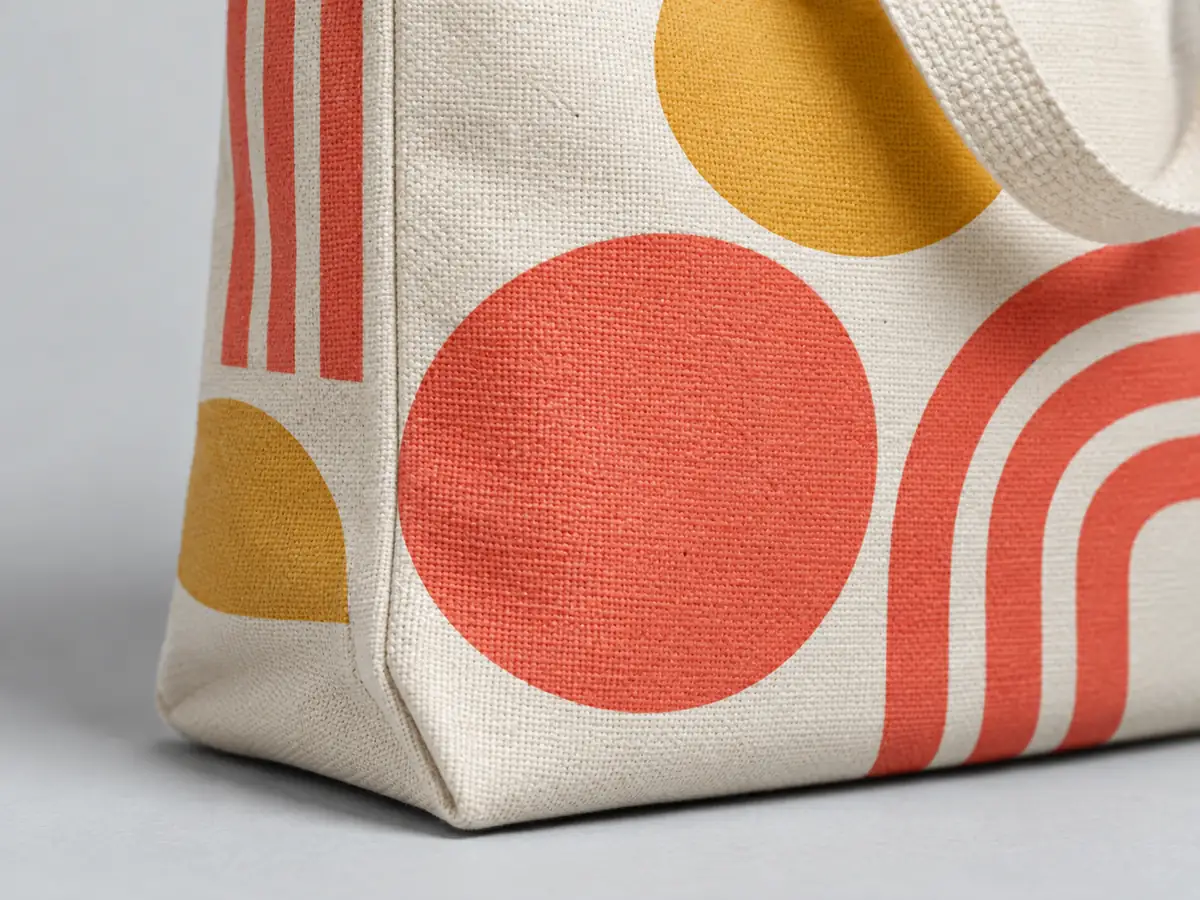
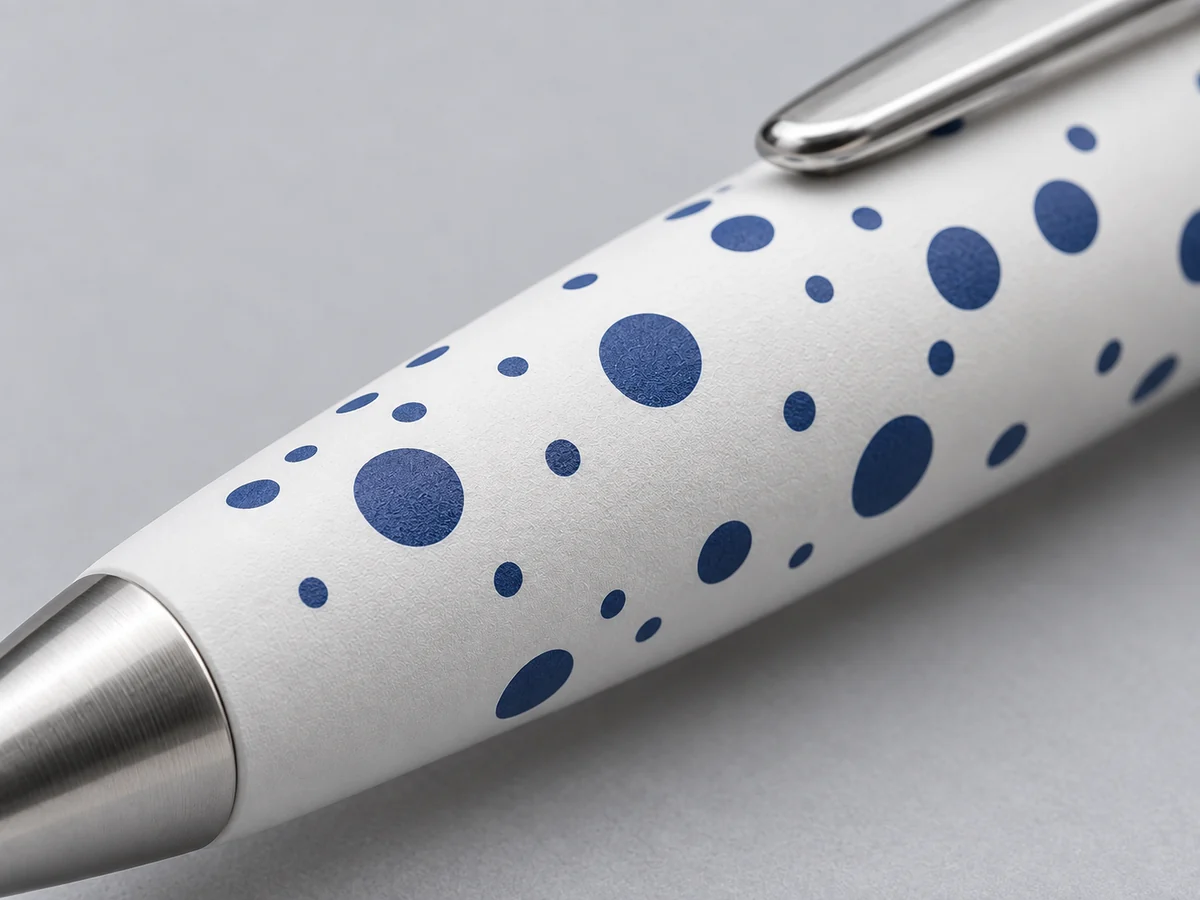
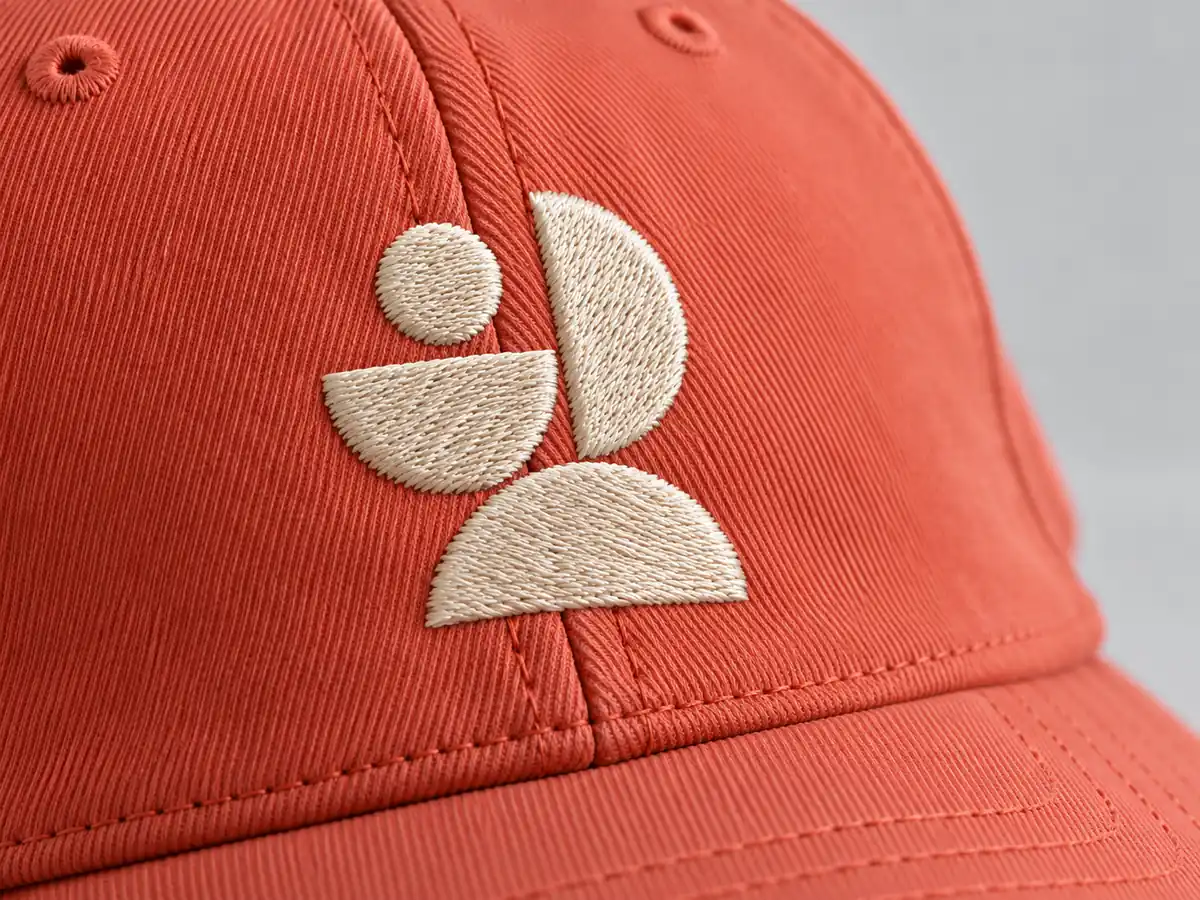
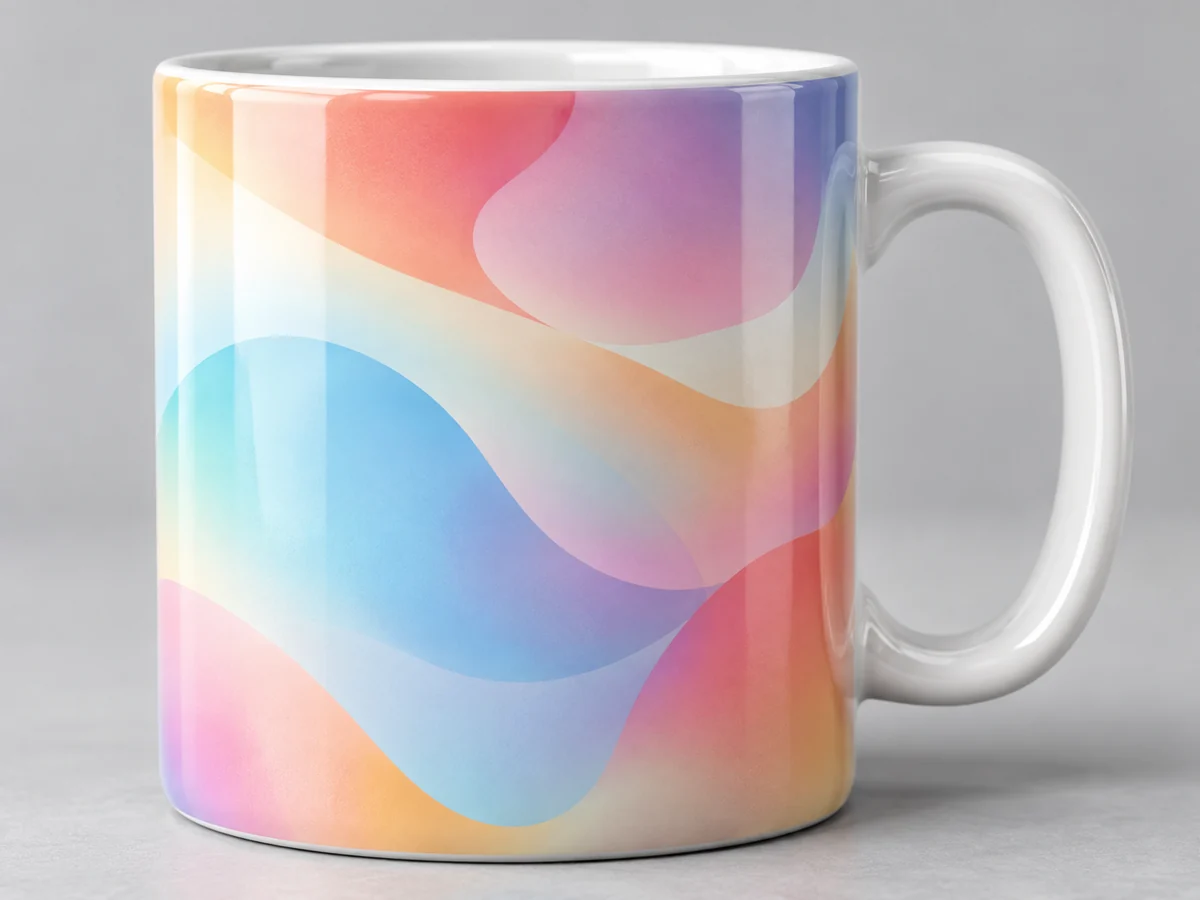
Look closely at the finish
Compare the surface and pattern with your intended product before approving a physical proof.
In this guide
Match the method to the real surface
- Screen printing: worth quoting for suitable flat or accessible surfaces and spot-colour artwork. Ask about screen count, underbase, colour changes, ink and curing. Do not assume it is cheapest at every quantity.
- Pad printing: an option for some small curved or irregular print areas. Have the printer confirm the usable area, distortion, plate charges and adhesion on the exact material.
- Heat transfer or direct digital methods: compare when artwork includes gradients, many colours or short runs. Request wash/rub and stretch checks suited to the actual fabric and transfer system; durability cannot be ranked by method name alone.
- Laser marking or engraving: check the finish produced on the exact metal, coating or wood. The contrast and surface effect vary; approve a sample rather than promising a universal colour or permanence.
- Sublimation: requires a compatible substrate or coating. Confirm the mug or textile specification, print coverage and care instructions on the finished sample.
- Embroidery: confirm stitch count, digitising, backing, thread choices and the smallest readable lettering. A flat artwork file does not predict how a small logo will sew.
Ask for a setup breakdown, not a rule of thumb
Some screen or pad-print quotations charge separately for each colour and position. In that specific quote structure, two colours on two sides may mean four setups. Digital, transfer, engraving and embroidery jobs can use different cost models; colour count alone is insufficient.
Example only: assume a printer explicitly quotes three setups at $30 each, plus $0.25 per item. Printing 150 items costs $90 + $37.50 = $127.50, or $0.85 each; printing 300 costs $165, or $0.55 each. These USD figures are invented arithmetic, exclude blanks and all other costs, and do not establish a supplier price.
Ask whether setup includes artwork preparation, screens/plates, digitising or fixtures; whether revisions are extra; and whether tools are retained for repeats. A sample fee is credited only if the quotation says so.
Prepare an artwork package the printer can quote
- Use a versioned vector file when appropriate, with fonts outlined or correctly supplied. Ask for the required file format, colour profile and any raster-image resolution at final print size.
- State artwork width and height in millimetres, placement measured from a seam or fixed edge, each printed side and whether the image must align with handles or seams.
- Provide a colour reference compatible with the substrate and process. For a critical brand colour, agree the physical reference and viewing conditions; a reference number does not guarantee an exact match.
- State minimum line/gap size, small text and any deliberate simplification. Have the printer identify details that cannot reproduce before paying for a sample.
- Confirm you hold the necessary rights to use the logo, font and artwork in manufacturing and distribution.
Use three separate approval gates
- Layout gate: approve a labelled digital proof with file version, product code, dimensions, positions and colour references. Record corrections in one final file.
- Physical-sample gate: inspect a sample made with the intended substrate, finish and print process. Check legibility, edge definition, placement, bleed, surface feel and relevant use tests. Retain a reference sample.
- Production-release gate: confirm that the supplier has the approved specification and will stop for unresolved deviations. Agree the sampled quantity, carton selection and inspection records for the finished batch.
- For an urgent order approved from photographs only, record the unverified properties explicitly. That shortcut accepts uncertainty; it is not equivalent to physical approval.
Write acceptance criteria that a second person can repeat
Replace “good quality logo” with checks and agreed limits. For example, define the print location from the top seam, the allowed positional tolerance, the permitted colour range and a readable-text test at normal viewing distance. The buyer and printer must agree the values for the product; this guide supplies no universal tolerance.
Select use checks appropriate to the claim: a tote may need a documented wash and rub evaluation; a bottle may need handling and cleaning checks. Record conditions, cycles, sample count and results. A casual scratch test does not justify a quantified durability claim.
For drinkware, keep decoration away from food-contact or lip-contact areas unless that use is covered by the product assessment. In the EU, food-contact materials are subject to framework and material-specific rules. Product and decoration changes may require renewed review.
Protect the deadline and define the remedy
Ask for dated milestones for artwork, physical sample dispatch, buyer approval, production, inspection and cargo readiness. Confirm the clock starts after the final approved file and sample, and how revisions affect it.
Before paying, agree who bears remake and transport costs for a print defect, what evidence is needed and when a complaint must be raised. A seller’s ability to reprint later does not replace gifts needed on a fixed event date.
Send the quote form your exact product link, artwork version, quantity by colour, sample requirements, destination and latest receiving date. Use the minimum-order guide to compare fewer designs if setup costs are too high.
Use a change record when the printer changes the method
A switch from screen printing to a transfer is a new approval decision, even if the image file stays the same. Record substrate, ink/transfer system, underbase, size, placement, finish and care/use claims affected; obtain a revised production-intent sample and reassess cost and schedule.
Hypothetical reject: the proof is accurate, but a sample’s small lettering closes up or the logo crosses an agreed seam clearance. Hypothetical accept for this artwork gate: measured artwork size and position meet the written limits and the named buyer signs the sample revision. Neither result proves long-term durability; record the separate agreed durability check.
Custom-gift stage and exception worksheet
Use the artwork and physical-sample fields separately. Keep rejected revisions in the change record and identify the only revision released for production.
Download the reusable custom-gift stage and exception worksheet (plain text) ↗
Questions & answers
Common questions
- Will a Pantone reference guarantee the colour?
- No. Substrate, coating, ink and process affect the result. Use an agreed physical reference and define an acceptable range before production.
- Is transfer printing always less durable than screen printing?
- No. Durability depends on the actual system, material, preparation, curing and use. Compare documented checks on finished samples under the same intended-use conditions.
- Can I skip the printed sample?
- You can choose that commercial risk, but a blank sample or digital proof cannot verify the finished decoration. For a new supplier, surface or critical logo, budget for physical approval.
Your next step
Have a link you want checked?
Send a 1688 or Taobao product link and you get back the specification in English, the supplier check, and the landed cost to your country before you commit to anything.
Get a quote